
BAU Laboratory Purity Test
Indican content & heavy metal certificate.
Download
Bangladesh's premier circular bioeconomy enterprise
- Integrating natural indigo cultivation, soil carbon biochar, and ethical artisan value chains
Institutional Trust
 Bangladesh Agricultural University (BAU)Lead R&D
 Department of Agricultural Extension (DAE)Farmer Network
 Bangladesh Institute of Nuclear Agriculture (BINA)Seed & Breeding
 Jamalpur Women's Artisanal CooperativesHeritage Craft
Why Indigo
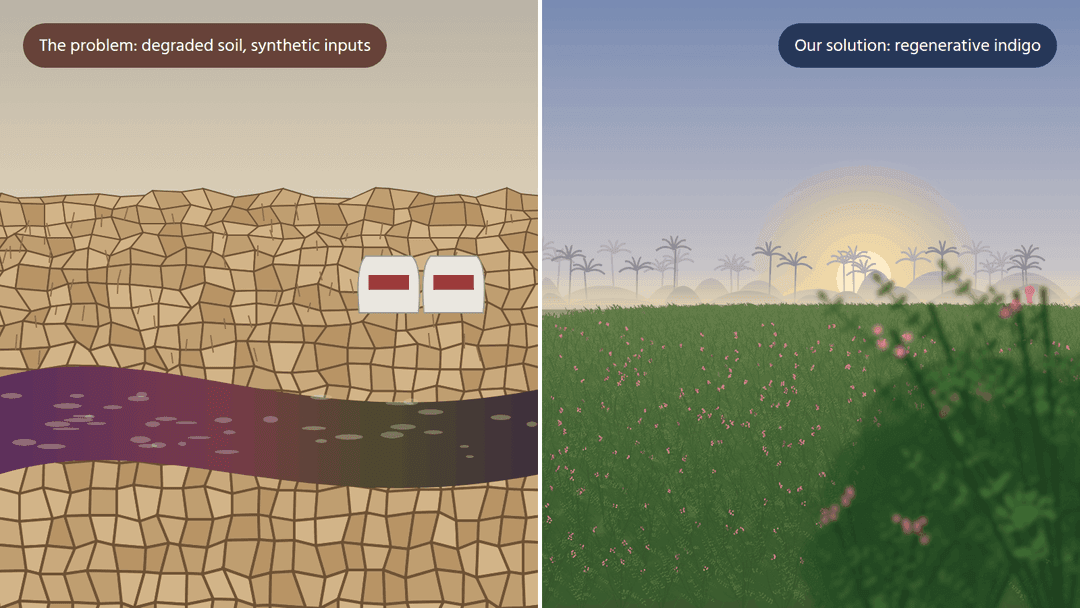
Decades of synthetic fertilizer dependence have stripped Rangpur soils of organic matter, while forced indigo cultivation left deep scars on the region during the 18th and 19th centuries.
Indigofera is reintroduced as a leguminous crop in rotation with local patterns — fixing nitrogen, feeding biochar back to the soil, and paying farmers for a crop that heals the land.
Our Divisions

Export & Eco-lifestyle Division:
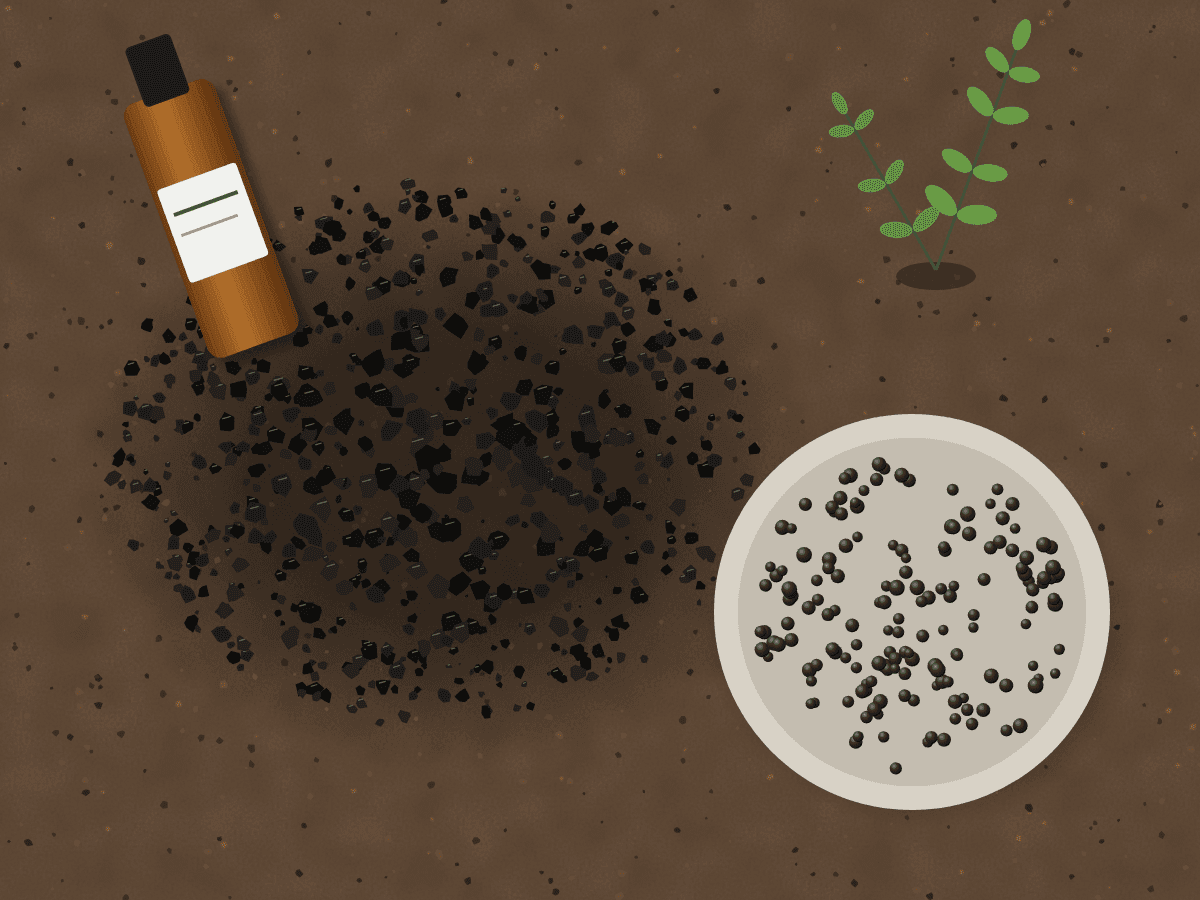
Agro-Input & Soil Health Division:
• Biochar Carbon Matrix
• Biochar-Coated Slow-Release Urea
• Botanical Biopesticides & Extracts
Live Impact
The Rangpur Spotlight
Active clusters, our central refinement hub, and artisan cooperatives — tap a pin to explore.
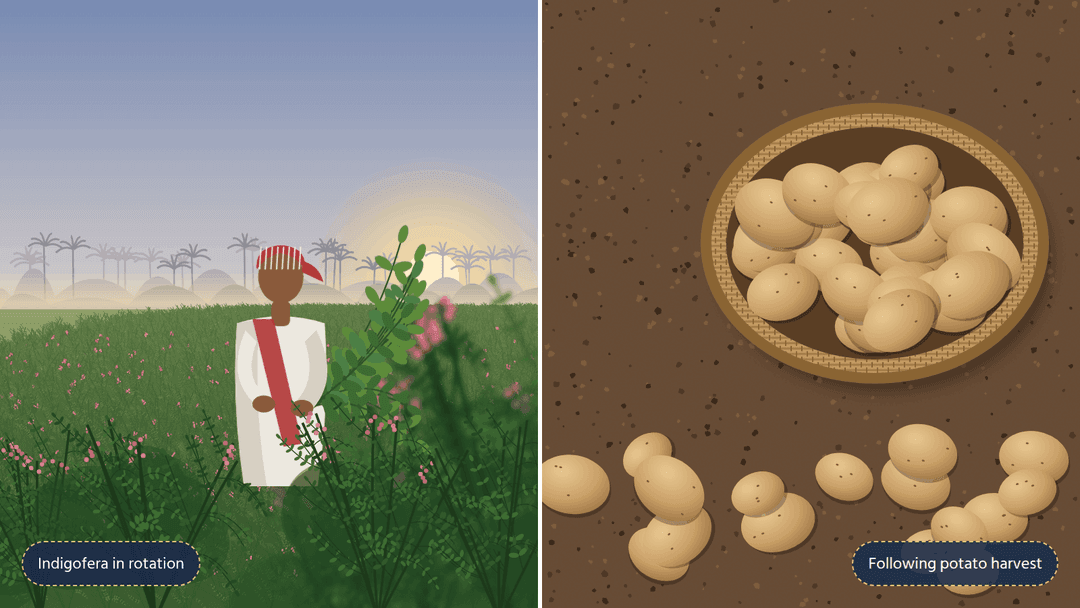
Over 120 smallholder farmers in Rangpur have adopted Indigofera rotation, reducing synthetic fertilizer costs for subsequent potato and rice crops by 25–30%.
Discover the Rangpur ModelZero-Waste Model
An interactive look at our decentralized Hub-and-Spoke architecture — nothing is wasted, everything returns to the soil.
Indigofera fixes natural atmospheric Nitrogen.
Scientific Validation
Laboratory-verified purity, third-party frameworks, and soil health studies — open for buyers, investors, and researchers.
Indican content & heavy metal certificate.
DownloadClimate resilience & mitigation strategy.
Nitrogen fixation & CEC metrics in Rangpur soil.